TECHNOLOGIES

THE PROCESS EXPLAINED
WHAT IS ACOUSTIC CAVITATION
How it works:
Acoustic Cavitation:
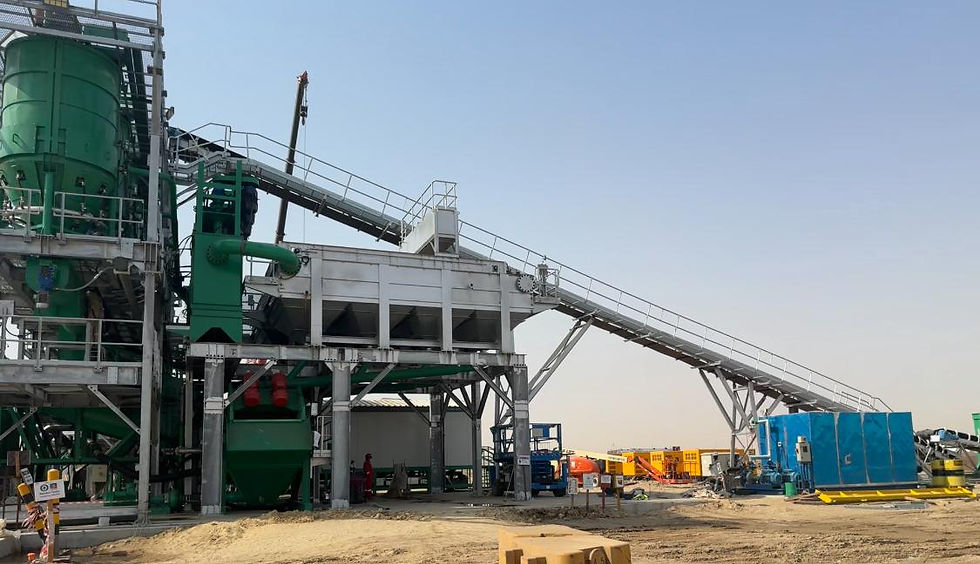
We employ high-frequency sound waves to agitate and disperse oil and contaminants within the soil or sludge being treated. This gentle, non-invasive approach ensures minimal damage to the natural ecosystem, whilst being energy efficient.
Our patented innovative method allows us to efficiently and sustainably remediate oil-contaminated soil, making it a preferred choice for environmental restoration projects

How Acoustic Cavitation Works
Acoustic Cavitation cleaning is a highly effective method for removing dirt, grease, oils, and other contaminants from objects.
The process is used widely in industry for cleaning within many workshops. An Acoustic Cavitation bath is used for cleaning oil contaminated objects in specialised workshops, jewellers use this technology to clean their products which can be seen below.
Here's how it works,
Ultrasonic Transducer:
At the heart of an Acoustic Cavitation cleaning system is the ultrasonic transducer. This device converts electrical energy into ultrasonic vibrations.
Generation of Ultrasonic Waves:
When electrical energy is applied to the transducer, it vibrates rapidly at very high ultrasonic frequencies,. These vibrations create high-frequency sound waves that travel through the material being cleaned.
Cavitation:
As the ultrasonic waves travel through the slurry, they create millions of tiny bubbles, These bubbles form and collapse rapidly due to the alternating pressure waves created by the ultrasonic vibrations - Acoustic cavitation.
The collapse of these bubbles at the surface of the soil particles generates intense localised agitation and scrubbing action. This action helps to dislodge and remove contaminants from the surface of the soil being remediated.
Thorough Cleaning:
The combination of cavitation, agitation, and scrubbing action ensures the soil is thoroughly cleaned.
Overall, ultrasonic cleaning provides a fast, efficient, and thorough cleaning method.